Webinar supports women’s participation on the fireground
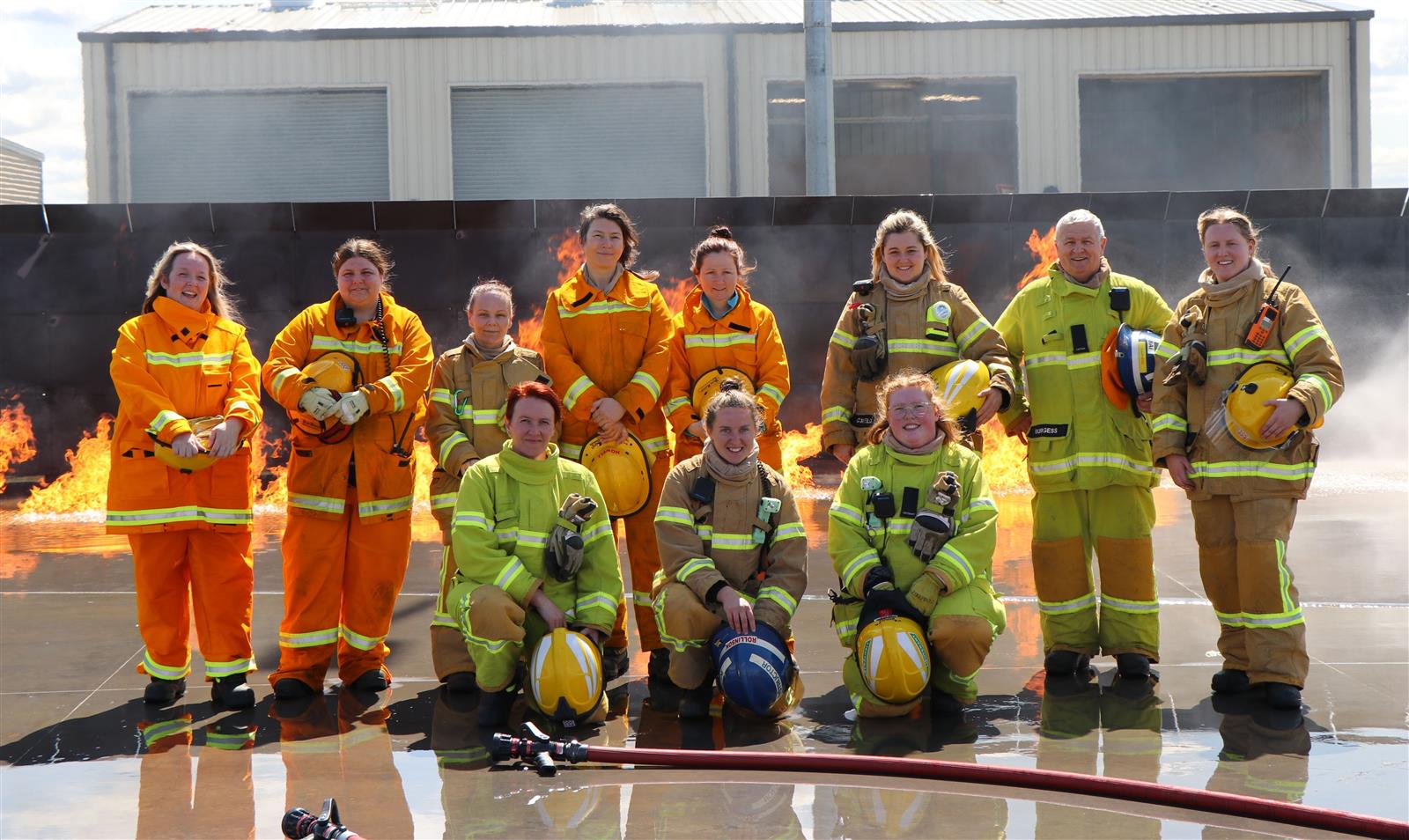
Women firefighters from South West Region recently came together for an online webinar hosted by the District 7 Women’s Network.
It focused on practical strategies for managing menstruation and menopause on the fireground.
The session was designed to support women’s participation in operational environments by addressing topics that are often not openly spoken about, yet can have a real impact on turnout and deployment decisions.
In previous discussions among the network, some members shared that they have hesitated to respond to incidents while menstruating, largely due to uncertainty about the facilities available once on-scene and the time they may be required to be there. This concern was most common among women from Class 3 and above brigades, where rapid turnout times leave little opportunity to prepare before responding, as well as among those considering strike team deployments.
Participants expressed a strong interest in learning more about alternative menstrual products and how they might better support operational participation. While general information about these products is widely available, guidance on correct fitting and, importantly, their use in fireground conditions is limited and had left them with unanswered questions.
The conversation also expanded to include peri-menopause and menopause, which participants identified as areas where they would like further information. In particular, they wanted guidance and tips on how to effectively manage symptoms within firefighting duties.
In response to these needs, the District 7 Women’s Network drew on the expertise of a fellow firefighter who is also a general practitioner and medical educator. With lived operational fireground experience, she provided practical, relevant information tailored to women at different life stages.
The outcomes from the session were strongly positive. All participants said the information was relevant to them and reported an increased understanding of alternative period products. Importantly, many participants indicated that having this information would or could assist them to respond more.
Participants reported that gaining greater understanding and confidence in how alternative period products could support them, and how to manage menopause-related symptoms, would help them better prepare for, and respond to, turnouts and prolonged incidents.
By focusing on practical solutions and normalising conversations around women’s health, the webinar demonstrated how targeted education, based directly on needs raised by women, can directly support participation.
| Submitted by |
Jessica Brittain |