How CFA plans a planned burn
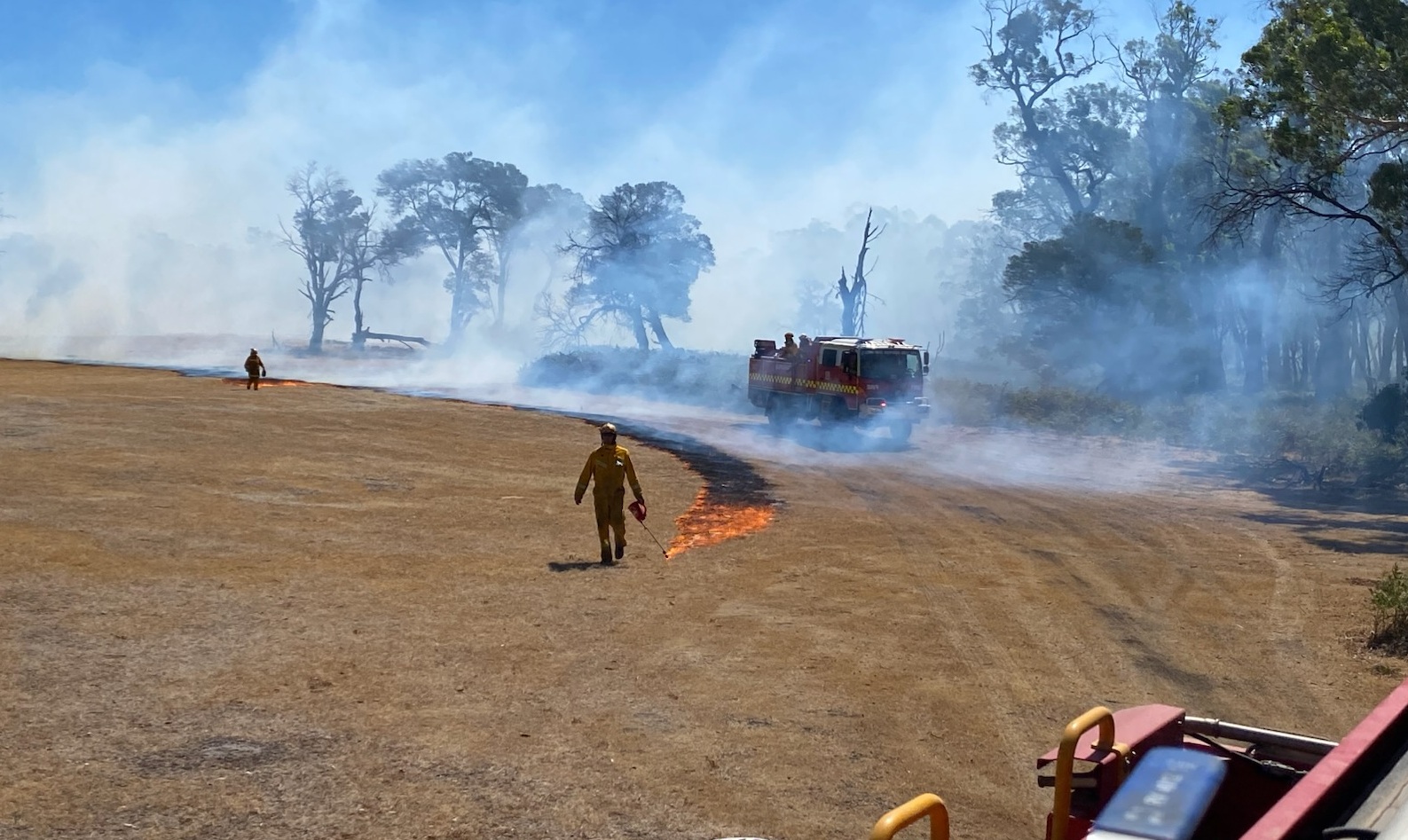
To reduce the bushfire risk in Victoria, CFA works with Forest Fire Management Victoria to develop a rolling three-year Joint Fuel Management Program (JFMP) of planned burns.
Types of burns include fuel reduction, ecological and Traditional Owner burns. The JFMP also includes non-burn fuel treatments including mechanical treatments such as slashing, mowing and mulching vegetation, and biological treatments such as grazing.
Some people may think CFA decides on the day to do a burn because the weather looks favourable. However, many months of planning and approvals are needed to get a planned burn ready to be delivered, and engagement with communities and stakeholders occurs at all stages of planning and delivering a burn.
Timelines for the steps in the planning process may vary from region to region. The planning calendar outlined below assumes that a burn nominated in January 2026 will be delivered in autumn 2027.
In certain situations, a planned burn can be fast-tracked.
For more information about vegetation management and the JFMP go to Members Online.
Planning calendar
|
Month
|
Process
|
|
January-June
|
A planned burn treatment can be identified by the land manager, CFA brigade members, Traditional Owners or other community members.
For the treatment to then be nominated into the JFMP it needs to have landowner agreement, be operationally feasible and meet specific objectives, such as fuel reduction, ecological or cultural objectives.
Regional Vegetation Management Teams and CFA commanders obtain CFA brigade/group endorsement of risk before taking it to the Municipal Fire Management Planning Sub Committee (MFMPSC) or other local endorsement processes.
|
|
July
|
The planned burn is nominated in the draft JFMP in the online Fuel Management System and mapped in eMap,
|
|
July-August
|
Biodiversity, cultural heritage and historic heritage assessments are undertaken by CFA advisers for every nominated fuel treatment. Mitigations are identified for the protection of values and compliance with legislation.
Indicative costs for planned burn treatments are determined (land manager/agencies often fund planned burn preparation works).
|
|
August-September
|
The Regional JFMP is endorsed by the CFA Manager Community Safety and District Assistant Chief Fire Officers (ACFO).
|
|
September
|
The JFMP is approved by the CFA Chief Officer and DEECA Chief Fire Officer.
|
|
Month
|
Burn planning
|
|
September-November
|
Site visits are undertaken to gather the required information to develop the burn plan. This includes identifying any preparatory works required such as control line works and hazardous tree assessments/treatment. Quotes are obtained for preparation works.
All required permits and consents are obtained. Examples include:
- consent to work within a road reserve
- traffic management Memorandum of Authorisation
- Schedule 2 permits for burning of vegetation during a Fire Danger Period
- obtaining land manager/owner consent
|
|
October onwards
|
Each burn plan is then endorsed by Manager Community Safety and approved by district ACFO.
Key components of the burn plan include:
- objective of the burn
- fuel type and burn prescriptions*
- consents/permits
- values identified and mitigations
- complexity rating
- control lines
- tasks
- ignition plan
- safety considerations
- resourcing
- notifications/community engagement
- contingency planning
*Burn plan prescriptions detail the weather, fuel and environmental conditions required to safely conduct the burn. Prescriptions consider fine fuel moisture content, relative humidity, fuel load, temperature, Keetch Byram Drought Index, Fire Danger Index and wind speed. For grassland burns, curing and grazing is considered.
|
| Submitted by |
News and Media |