Fire Medical Response crews support firefighters on the ground
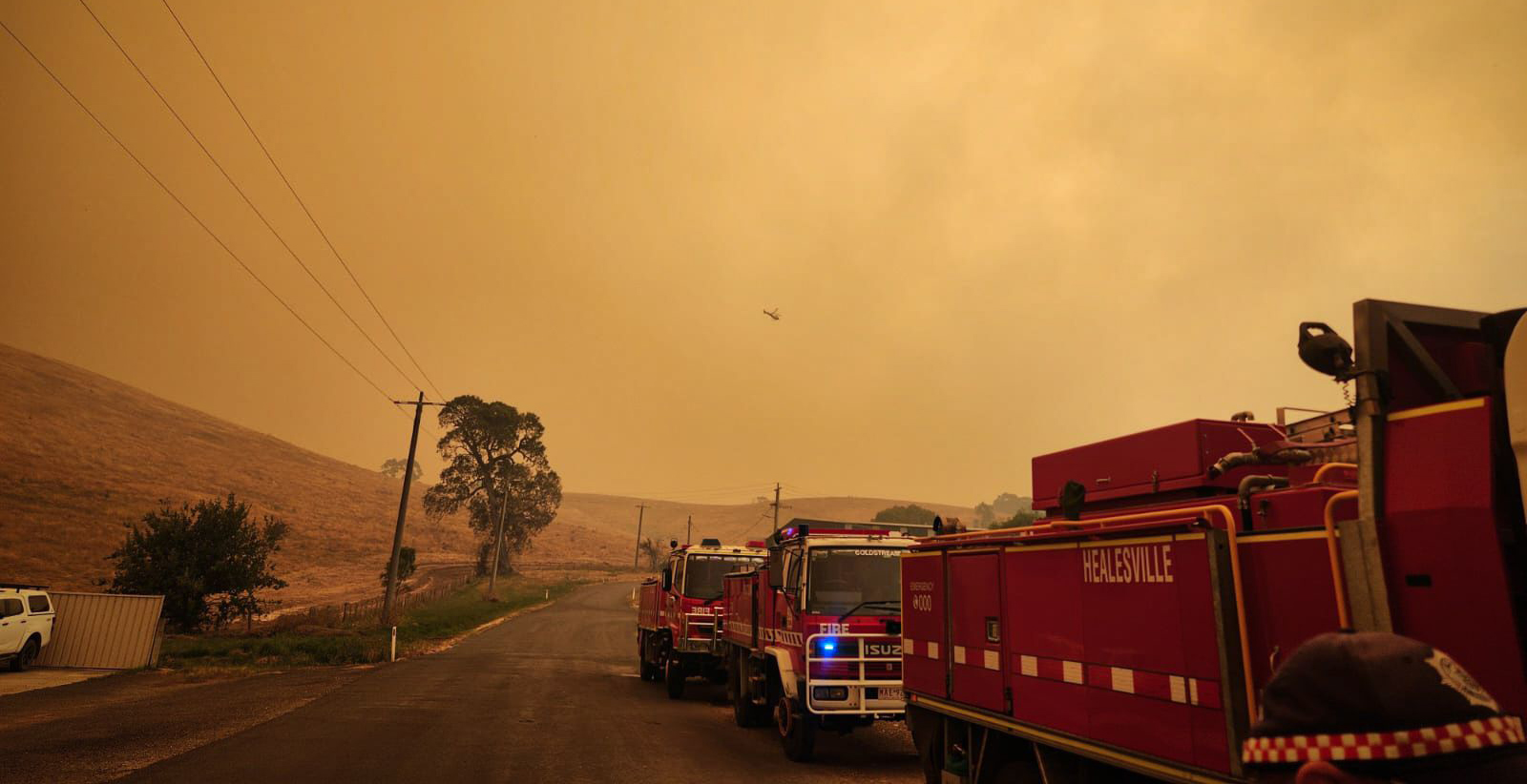 Photo of Longwood fire. Healesville Fire Brigade.
Crews from CFA’s Fire Medical Response (FMR) brigades were deployed to strategic locations during recent heatwave conditions to support firefighters working on campaign fires, including operations at Longwood earlier this month.
The FMR program is a joint initiative between CFA and Ambulance Victoria, where CFA brigades and Ambulance Victoria dispatch simultaneously to cardiac arrest incidents in the community. This fire season, the program has undertaken a trial of providing broader medical support across CFA operations.
CFA’s FMR brigades are extensively trained by both Ambulance Victoria and CFA, and the program is now firmly embedded in CFA’s service offering.
The 2025–26 season is the first time CFA’s medical response trained members were deployed directly to the fireground to support firefighter health and safety.
Toolamba Fire Brigade Captain Duncan Terry said the medical response volunteers played a critical role while he was deployed to Divisional Control at Longwood on 8–9 January.
“The flexibility of the medical support provided by the crews was second to none,” Duncan said.
“On the Thursday, FMR crews deployed directly to the fireground to assist firefighters requiring medical attention. Their ability to operate forward of Divisional Control improved patient care and reduced operational pressure.”
Berwick Fire Brigade members were among those dispatched as part of the FMR support.
Captain Craig Sanderson said the activation of roaming FMR crews was a relatively new capability within CFA and was used as intended during the deployment.
“The crews found it very rewarding to be able to assist other CFA personnel,” Craig said.
“We’ve gained valuable lessons from this deployment, which are now being implemented at brigade level and shared through appropriate state channels.”
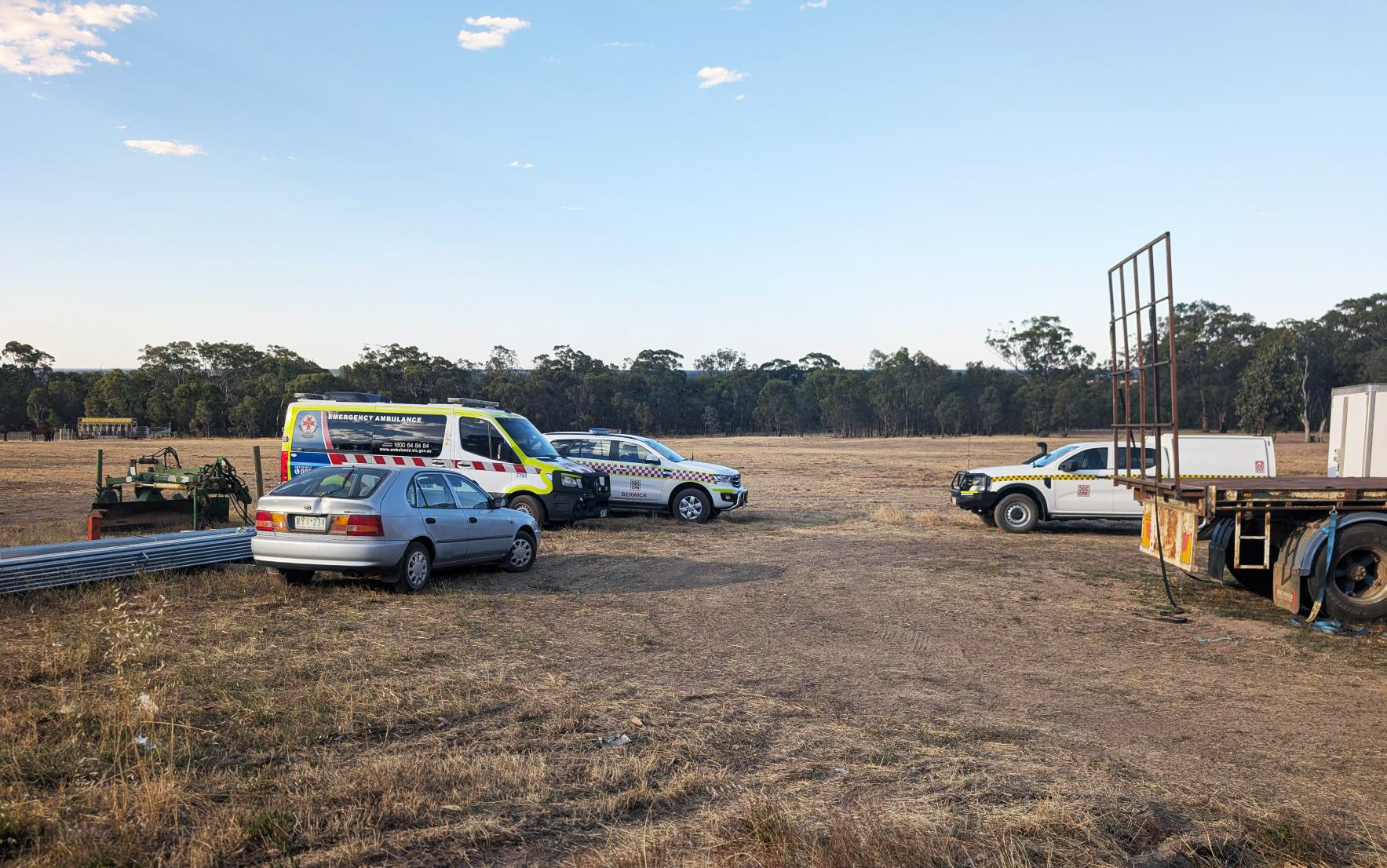
Medical Response Program Manager Fiona Macken said the deployment highlighted the value of integrated medical support at campaign fires, with expectations the capability will continue to evolve and be used at future major fire events.
“Evidence shows that 20 minutes of hard work in the heat is sufficient to challenge the cardiovascular system, which could lead to an adverse medical event,” Fiona said.
“So, during the heightened period of heatwave conditions, it was anticipated that physical exertion resulting in exertional heatstroke was a risk, with rapid medical intervention assisting in preventing long term harm to affected members.
“The fact that our medical teams are also trained firefighters means we can safely deploy them onto the fireground in locations where Ambulance Victoria personnel cannot operate,” Fiona added.