World Stroke Day
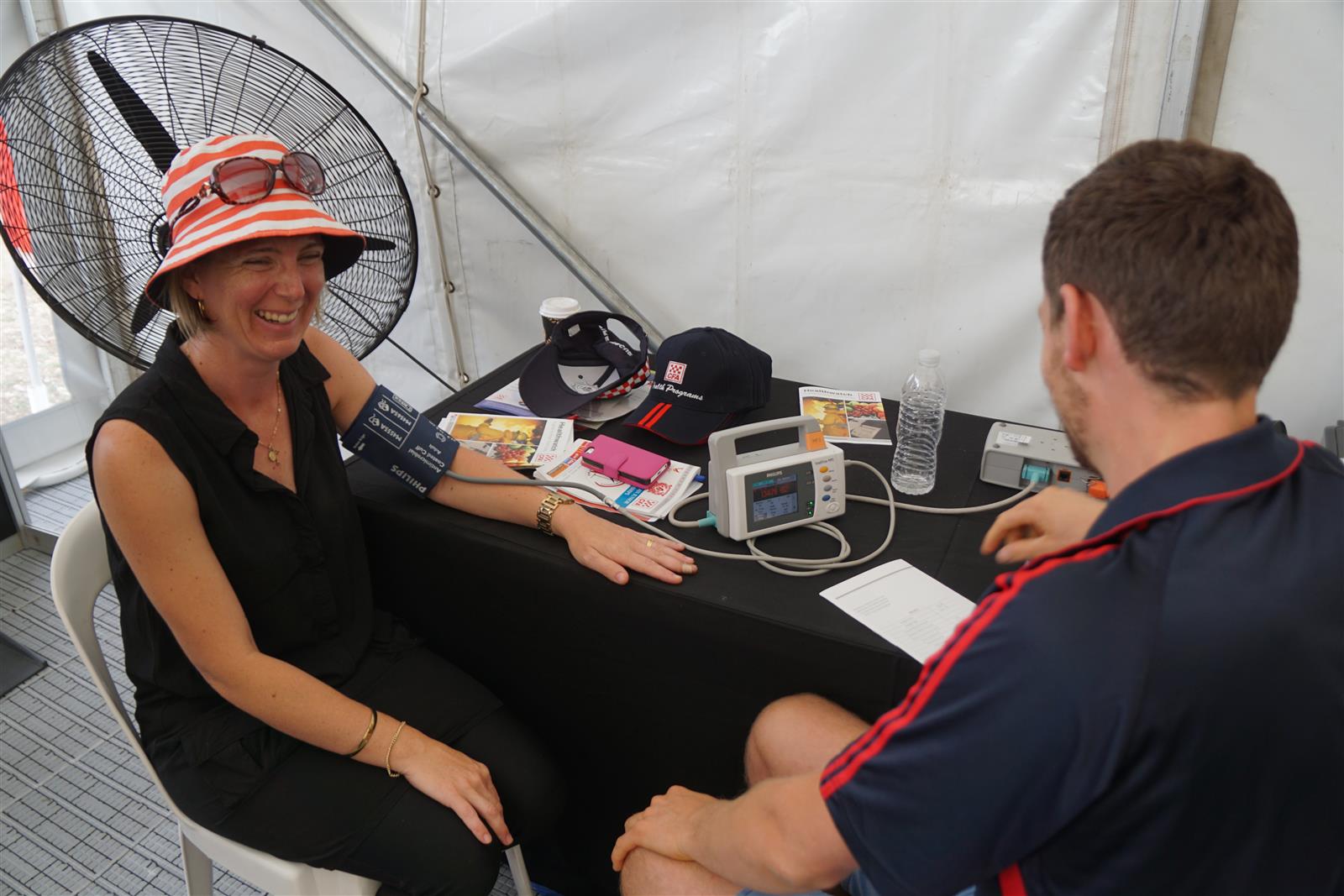
A stroke could happen to anyone, anytime, including to our members on the fireground, during training activities, while working as part of an incident management team, in an office environment or while driving.
It’s important to know the signs of a stroke so that you can identify it in yourself or others and take action.
Sunday 29 October is World Stroke Day. It brings to our attention that each year more than 12 million people around the world have strokes. Strokes are the main cause of disability worldwide and 90 per cent of stokes are preventable.
The World Stroke Organization is encouraging everyone to share key messages about stroke prevention using #GreaterThan to provide a positive message on stroke prevention and take action to help people understand, identify and address stroke risks and how to easily manage them.
What is a stroke?
Some people think a stroke affects the heart, and others think it only happens to older people. In fact, a stroke can happen to anyone. When a stroke attacks the brain, by either a blood clot which blocks a blood vessel in the brain or a blood vessel in the brain bursts or leaks, brain cells immediately start to die. 1.9 million brain cells die every minute, so the faster it is treated the better.
Strokes can attack any part of the brain and its effects can be very different. It can affect:
- speech
- understanding
- emotions
- sensations/ability to move parts of your body
- blurred vision/blind spot
- vital organ functions ie controlling your heart rate, swallowing and breathing.
Types of stroke
There are two types of stroke: ischaemic and haemorrhagic.
Ischaemic stroke: A stroke can be caused by the blood supply being blocked. This is the most common type of stroke.
Haemorrhagic: A stroke can be caused by bleeding. Blood can leak from a broken or burst blood vessel. The leaking blood is like a bruise that injures part of the brain.
Who can have a stroke?
Stroke can happen to anyone of any age. Men are at greater risk of stroke and as we age the risk increases for anyone.
Stroke can be prevented for many people. High blood pressure, being overweight, smoking, high cholesterol, diabetes and high consumption of alcohol are some of the causes that can be controlled to prevent the risk of having a stroke.
Signs and symptoms
The FAST acronym can help you with what to look out for if you suspect you or someone else is having a stroke.
F – Face: does one side of the face seem to droop?
A – Arms: can you/the person lift both arms or does one arm drift downwards?
S – Speech: is speech slurred or strange?
T – Time: if you see any of these signs, call Triple Zero (000) straight away.
CFA healthWatch Program
CFA can help look after you and improve your overall health and wellbeing.
- The Heart Health session is a free confidential heart health check offered to all volunteers at your brigade. The program is delivered by qualified health professionals from the CFA Health Services team and includes on-the-spot assessments and results for blood pressure, cholesterol, blood sugars and other heart disease risk factors. The assessment for cardiovascular disease is similar to risk factors for stroke. The Heart Health session helps you to understand your risk factors for cardiovascular disease, heart attacks and stroke, and what you can do to make healthy changes to reduce your risk of experiencing these.
The friendly team will take the time to explain your results to you on the spot and provide some advice around lifestyle changes you may wish to make to improve your overall health.
- Healthy Eating session is available to improve your understanding about what healthy eating looks like and how to make healthier choices, based on Australian dietary guidelines.
Making daily healthy food choices helps to reduce cholesterol and blood sugar, reducing risk of experiencing cardiovascular disease and stroke.
- Find Your 30: setting and maintaining physical activity habits is an interactive behaviour change workshop and discussion about how you can set and maintain regular physical activity habits. Being physically active and moving more in your day helps to burn energy, increase blood flow and oxygen around your body. This helps to maintain a healthy body weight, increase mobility and strengthen your body.
| Submitted by |
Madalene Cursio |