Better fuel prediction
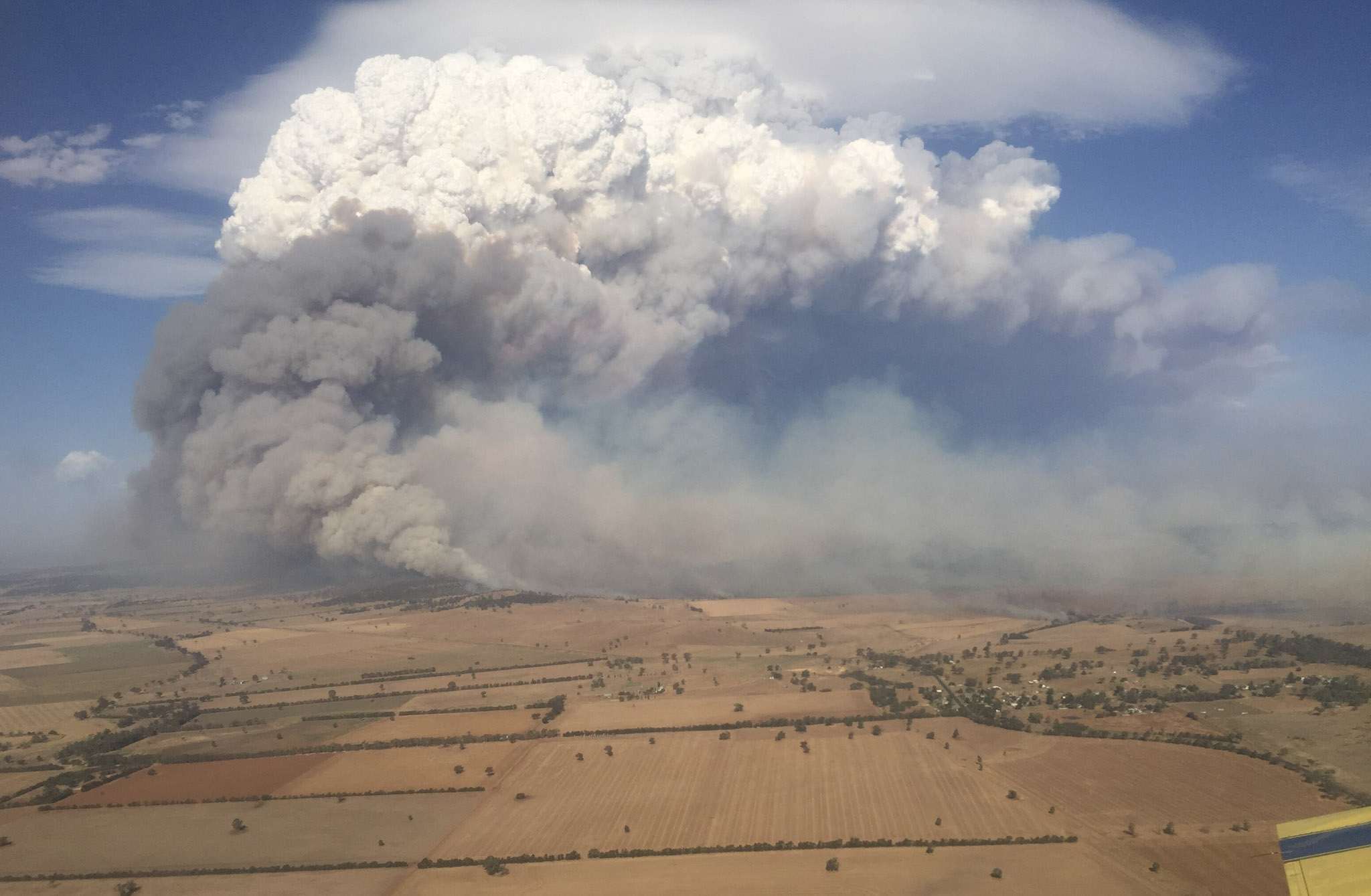
Researchers from Natural Hazards Research Australia are developing ways to map landscape dryness to deliver important operational intelligence before a fire season.
Outcomes from this research will include improved accuracy of fire simulation systems and Fire Danger Rating systems, added value to seasonal forecasting and better interpretation of landscape condition monitoring systems.
The project comprises researchers from The University of Melbourne, Western Sydney University and Natural Resources Canada, and is supported by fire services agencies including CFA.
Project research leader Dr Jane Cawson from The University of Melbourne believes landscape dryness is a primary driver of wildfire risk because it indicates how much vegetation – that is, fuel – is available to burn. She said many metrics quantify dryness, but only a few are routinely used in season outlooks. While there are a range of new metrics available, their usefulness is unclear as there has been no comprehensive, nationwide evaluation of the wider set of metrics.
“Our project is testing a wide range of metrics to see which best predict the severity of a fire season in different regions of Australia,” Dr Cawson said.
“The aim is to define clear, regionally appropriate dryness thresholds that can be incorporated into outlook products so fire agencies and communities get more reliable early warnings and can better prepare for a fire season.”
Dr Cawson said the research team had identified several metrics that perform better than those currently used.
“Two key metrics that show strong potential are remotely sensed soil moisture products and Standardised Precipitation and Evapotranspiration Index, a multi-scalar drought index. Using this information we can now produce maps of predicted fire season severity at different periods leading up to the fire season – three, six, and nine months prior – providing critical information for fire management,” she said.
To read more about this research visit the Natural Hazards Research Australia website.
| Submitted by |
News and Media |